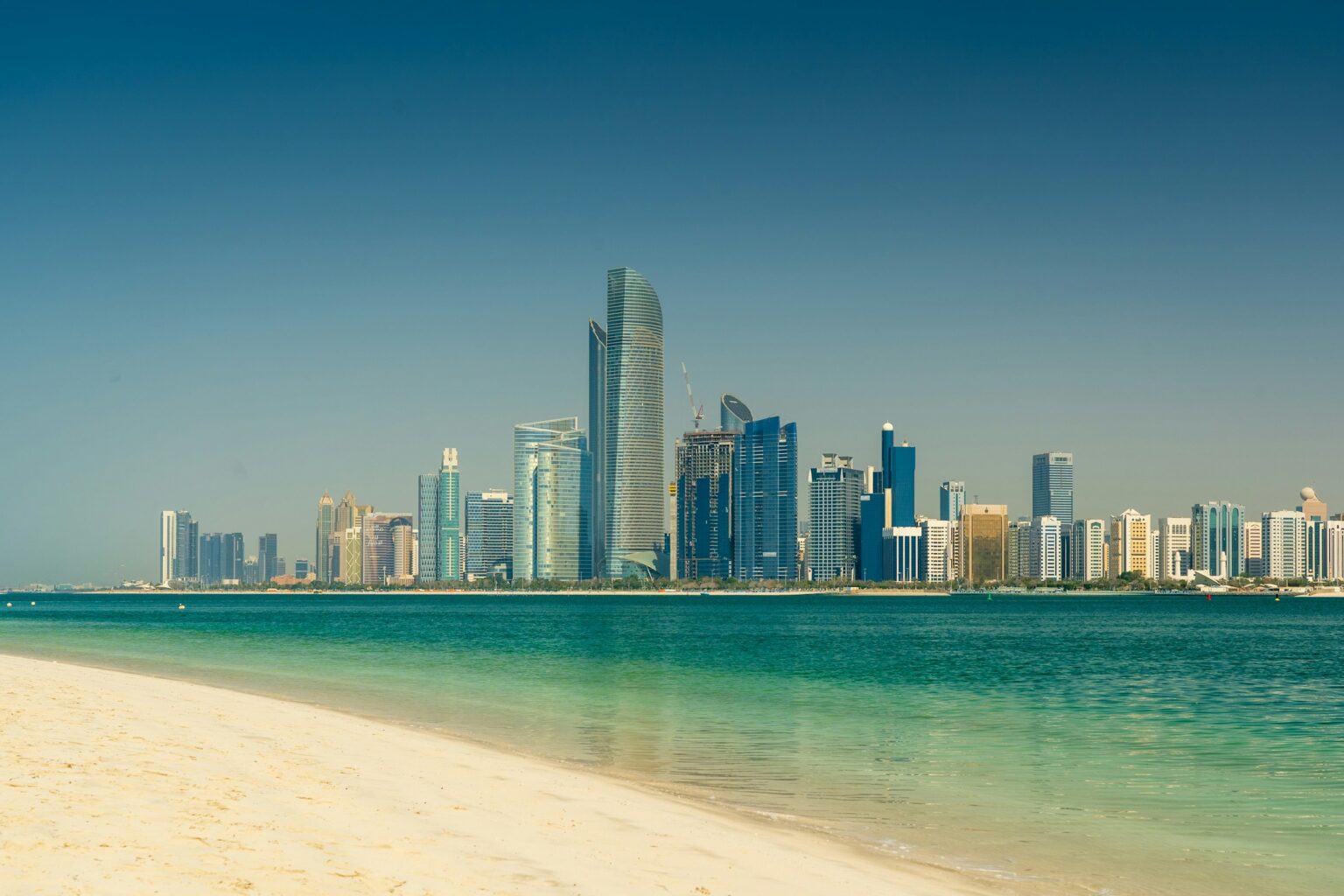
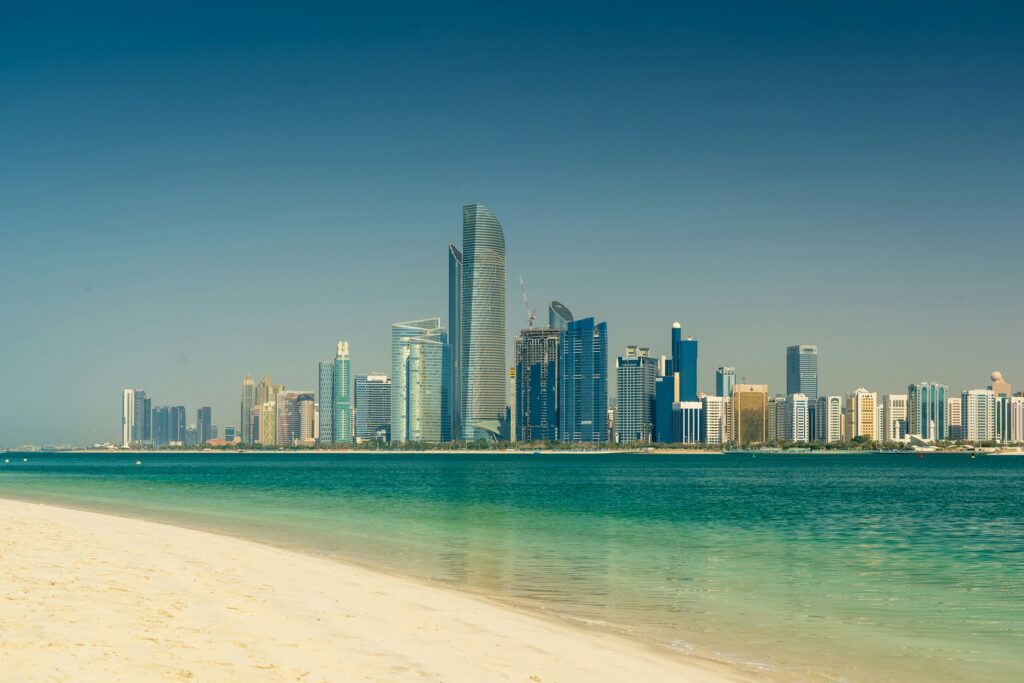
Abu Dhabi, the capital of the United Arab Emirates, has built one of the region’s most deliberate waterfront property markets, spreading its investment zones across a string of reclaimed islands rather than concentrating growth in a single district. Al Reem Island sits closest to the mainland and anchors the mid tier apartment market, drawing residents who want walkable towers, marina frontage and quick access to the central business district. Yas Island combines a residential community with the emirate’s leisure economy, home to Yas Marina Circuit, Ferrari World, Yas Waterworld and a growing cluster of hotels, so demand there is shaped as much by tourism and events as by everyday living. Saadiyat Island occupies the premium end of the market, built around the Louvre Abu Dhabi, a planned Guggenheim and a protected beach, and consistently records the emirate’s highest per square foot values for both apartments and villas. Hudayriyat Island, closer to the city centre and fronted by its own beach and cycling track, is newer to the for sale market and is where projects such as Bashayer Residences are introducing additional stock to the capital’s waterfront segment.
Across these islands, Abu Dhabi offers a full range of product, from compact apartments on Al Reem through family villas on Yas and Al Jubail to branded beachfront residences on Saadiyat. Pricing still sits on average below comparable Dubai addresses, which keeps the emirate attractive to investors looking for a lower entry point into a capital city market backed by sovereign wealth and a diversified, oil independent growth plan. Foreign nationals can hold 100% freehold ownership within the designated investment zones that cover all of these islands, and qualifying purchases support eligibility for the UAE’s long term Golden Visa, a factor that continues to draw buyers from Europe, the wider Gulf and Asia.
Connectivity has improved steadily, with Zayed International Airport, Sheikh Khalifa Highway and a widening road network keeping travel between Abu Dhabi and Dubai to roughly ninety minutes and shortening journeys within the emirate itself. The capital’s cultural and leisure infrastructure, including its museums, Formula 1 calendar, golf courses and a fast growing hospitality scene, continues to broaden the tenant pool beyond the government and energy sector workforce that has traditionally anchored demand.
Rental performance reflects this diversification. Al Reem Island apartments are reported to achieve gross yields above six percent, Yas Island benefits from steady leisure and hospitality related tenancy, and Saadiyat’s cultural anchor keeps demand for premium long lets stable even as new supply arrives. Capital growth has been led by the newer island communities, with villas on Al Jubail Island and apartments on Saadiyat and Yas recording some of the emirate’s sharpest annual gains, while Al Reem and Hudayriyat offer a comparatively accessible entry point into the same long term growth story.
For investors weighing a capital city alternative to Dubai, Abu Dhabi combines sovereign backed infrastructure, a maturing freehold framework and a widening set of waterfront communities at each price point. Lux Abacus works directly with the developers active across these islands, helping European and international investors structure acquisitions that match their capital growth or rental income objectives within the emirate’s fast evolving property market.